Why Do So Many People Want To Know About Robot Vacuum Bagless?
페이지 정보

본문
Robot Vacuum bagless cleaning robots - How Do Robot Vacuums Work?
Robot bagless automated vacuums eliminate the need to spend a large portion of your day to clean your home. They can be programmed to clean regularly and even when you are away from home.
Some of them are automatic mop cleaners. They're costly.
Here are a few examples of
robot vacuum bagless self emptying vacuums are incredible devices that, when set up with the correct settings, can take off on their own journeys around your home, avoiding cords and furniture to make sure that you clean every square inch of your floors. How do these robots know where they are and what they should do? Like an ant in its colony, a robotic vac depends on a variety of sensors to understand the world around it.
Most basic robot vacuums have downward-facing sensors that allow it to avoid obstacles. The best models could also have forward-facing sensors that enable them to map rooms and identify furniture for better targeted cleaning.
The latest models include more advanced features, including dirt sensing (which analyses the level of dirt and will prompt the machine to mop it again if needed), and "freo' mopping technology (which automatically adjusts the pressure based on the floor material, putting on a stronger force for tile, and a lesser force for hardwood, for instance).
For safety reasons, the majority of robot vacuums also have cliff sensors that prevent them from falling down stairs. These sensors measure the distance between the bottom of the robot and any objects by bouncing the infra red light off them. If the sensor detects a sudden drop in distance, it will be aware that it is getting close to a stepping stone, and will move away.
In addition to navigating your home, many robots can also sweep and mop your floors in one go. You might have to manually wet your mop before attaching the robot to it, or the bot will have an integrated water tank that can be activated by pressing the button.
Depending on the type of robot you pick, you can control it through an app on your phone or a voice command with Google Assistant. More advanced models have scheduling applications that keep the track of your cleaning schedule and automatically stop and start at times that fit your lifestyle. Certain models come with virtual walls that let you create an area for the robot to walk around areas you want to keep clear of. This is particularly useful when you have pets or children who are notorious for causing messes.
Cost
Around $400 is the cost of the lowest priced robot vacuum cleaners. They're usually the ones that don't have bags, but instead empty directly into the bin. For around the same price you can purchase an advanced model that is self-emptying and compatible with smart home systems. You can choose models compatible with voice assistants, such as Alexa or Google Assistant. This means you can control the model using your voice.
The majority of robot vacuum cleaners today employ sensors in conjunction with motor controls embedded in them to navigate around your home. Sensors are used to detect walls and obstacles and motor controllers ensure the wheels are moving in the right direction so as to avoid hitting furniture or other objects. Certain models utilize 360 LiDAR to map out the area and navigate around the home. These systems can save time and effort, allowing the robot to continue cleaning even when it encounters obstacles.
The use of optical sensors is to determine surface types of floors and other surfaces. They accomplish this by bouncing infra-red light off the floor and determining the average amplitude of the return signal to determine the type of surface. The robot then adjusts its speed and other features, depending on whether it's moving on hardwood or carpet. Other sensors, like sensors for cliffs, are available to stop the robot from falling down the stairs.
The top robotic vacuum cleaners can save you lots of time and effort since they can sweep your floors automatically, at the time that matches your routine. Some of these machines even take care of your mopping and sweeping needs as well. There are some limitations to what robots are able to accomplish. For instance, they could be less effective at cleaning pet hair and other particles from thick rugs and will not reach the corners of closets or drawers.
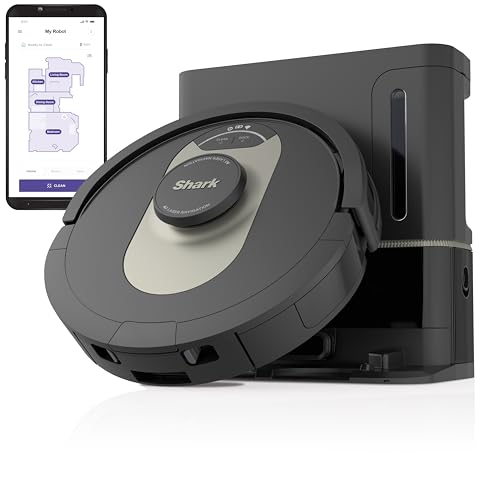 Keeping your robot vacuum cleaner clean can prolong its lifespan and make it perform better. Regular maintenance includes taking out and disposing of the trash bin when it is full, cleaning the side brushes and rollers and replacing filters. You can monitor and change cleaning schedules using an app that comes with the majority of robots. It is important to make sure that it has the most up-to-date maps and other features.
Cleaning Schedules
Robots employ mapping technology to create a map of your home, which allows them to efficiently navigate and complete cleaning tasks according to a predetermined timetable. Some models allow you to create no-go zones, which means certain areas are off limits to the robot. You can also use a mobile app or your voice to initiate the cleaning process. The app will also help you organize your cleaning schedule according to your lifestyle.
While robotics have revolutionized household cleaning, they're still not foolproof. They are best used in clean rooms with clean floors or carpets that are low-pile. Heavy-duty carpeting requires more power and can drain the robot's battery, leading to a shorter time of operation. They may also miss certain parts of your home, or have difficulty climbing steps. The good thing is that the majority of robots will return to their initial point and continue to clean even if they're interrupted.
Dust and debris can impact the performance of the optical sensors that help guide robots around your home. This is why it's crucial to regularly clean your robot's vacuum sensors by using a lightly damp (not wet but not dripping) foam sponge made of melamine. These simple steps will keep your device operating at its Best bagless self emptying robot vacuum and extend its lifespan.
It's also a good idea to remove any objects from your robotic vacuum's path prior to starting the cleaning process. This will stop the machine from damaging furniture or knocking over fragile items. You can also stop the robot from navigating into areas that are not permitted by closing a door, or using magnetic boundary strips provided by some manufacturers.
Keep your robot vacuum's dustbin as empty as is possible. A full container can cause a slowing of vacuuming. The majority of robotic vacuums have small compartments that can be emptied manually in more advanced models, while others come with auto-emptying docking stations. In addition to prolonging the runtime of the vacuum this feature can also help reduce wear and wear on the motor and extend its lifespan.
Maintenance
Robot vacuums are a great way to keep your home tidy with minimal effort, however they require regular maintenance to ensure their performance is at its best bagless robotic sweepers robot vacuum for pet hair - https://instituto.Disitec.pe,. Filters, brushes, and sensors could reduce the suction power of a robot and cause it to malfunction. If not cleaned properly these components could lead to costly repairs or replacements. It's good to know that you can keep your robotic cleaner in good condition by following a few basic cleaning steps.
Emptying the dustbin on a regular basis is the first step towards maintaining a robot vacuum that doesn't use bags. This is especially important if your household has pets. After each cleaning session it is important to remove the brush from the machine and thoroughly clean it. If you own a top-of-the-line robot vacuum, it could have a feature that automatically emptys its dust bin.
Next, you should clean the sensors on your robot vacuum. They are essential for the machine's navigation and security features. You can use a microfiber towel to keep them from becoming dirty. Make sure you use a dry, dry cloth since water can damage the sensors' cover. If you're unsure where the sensors on your robot are you can refer to the manual to find specific directions.
In the end, make sure to check for firmware updates and install them as soon as they are available. These updates enhance the robot's navigation, performance and battery life. They are available for free, and you can download them directly from your device's app store.
If you're not sure how to update your robot vacuum, get in touch with a Dreame F9 expert for assistance. They can help you through the entire process, from downloading the most recent software updates to repairing your robot. They will also assist you to select the appropriate software version for your specific needs. This will ensure that your robot remains in sync with your current technology and hardware. You can also opt for a full warranty to give you additional assurance. This is an excellent way to protect your investment and ensure that you get the most out of your robotic vacuum.
Robot bagless automated vacuums eliminate the need to spend a large portion of your day to clean your home. They can be programmed to clean regularly and even when you are away from home.
Some of them are automatic mop cleaners. They're costly.
Here are a few examples of
robot vacuum bagless self emptying vacuums are incredible devices that, when set up with the correct settings, can take off on their own journeys around your home, avoiding cords and furniture to make sure that you clean every square inch of your floors. How do these robots know where they are and what they should do? Like an ant in its colony, a robotic vac depends on a variety of sensors to understand the world around it.
Most basic robot vacuums have downward-facing sensors that allow it to avoid obstacles. The best models could also have forward-facing sensors that enable them to map rooms and identify furniture for better targeted cleaning.
The latest models include more advanced features, including dirt sensing (which analyses the level of dirt and will prompt the machine to mop it again if needed), and "freo' mopping technology (which automatically adjusts the pressure based on the floor material, putting on a stronger force for tile, and a lesser force for hardwood, for instance).
For safety reasons, the majority of robot vacuums also have cliff sensors that prevent them from falling down stairs. These sensors measure the distance between the bottom of the robot and any objects by bouncing the infra red light off them. If the sensor detects a sudden drop in distance, it will be aware that it is getting close to a stepping stone, and will move away.
In addition to navigating your home, many robots can also sweep and mop your floors in one go. You might have to manually wet your mop before attaching the robot to it, or the bot will have an integrated water tank that can be activated by pressing the button.
Depending on the type of robot you pick, you can control it through an app on your phone or a voice command with Google Assistant. More advanced models have scheduling applications that keep the track of your cleaning schedule and automatically stop and start at times that fit your lifestyle. Certain models come with virtual walls that let you create an area for the robot to walk around areas you want to keep clear of. This is particularly useful when you have pets or children who are notorious for causing messes.
Cost
Around $400 is the cost of the lowest priced robot vacuum cleaners. They're usually the ones that don't have bags, but instead empty directly into the bin. For around the same price you can purchase an advanced model that is self-emptying and compatible with smart home systems. You can choose models compatible with voice assistants, such as Alexa or Google Assistant. This means you can control the model using your voice.
The majority of robot vacuum cleaners today employ sensors in conjunction with motor controls embedded in them to navigate around your home. Sensors are used to detect walls and obstacles and motor controllers ensure the wheels are moving in the right direction so as to avoid hitting furniture or other objects. Certain models utilize 360 LiDAR to map out the area and navigate around the home. These systems can save time and effort, allowing the robot to continue cleaning even when it encounters obstacles.
The use of optical sensors is to determine surface types of floors and other surfaces. They accomplish this by bouncing infra-red light off the floor and determining the average amplitude of the return signal to determine the type of surface. The robot then adjusts its speed and other features, depending on whether it's moving on hardwood or carpet. Other sensors, like sensors for cliffs, are available to stop the robot from falling down the stairs.
The top robotic vacuum cleaners can save you lots of time and effort since they can sweep your floors automatically, at the time that matches your routine. Some of these machines even take care of your mopping and sweeping needs as well. There are some limitations to what robots are able to accomplish. For instance, they could be less effective at cleaning pet hair and other particles from thick rugs and will not reach the corners of closets or drawers.
Keeping your robot vacuum cleaner clean can prolong its lifespan and make it perform better. Regular maintenance includes taking out and disposing of the trash bin when it is full, cleaning the side brushes and rollers and replacing filters. You can monitor and change cleaning schedules using an app that comes with the majority of robots. It is important to make sure that it has the most up-to-date maps and other features.Cleaning Schedules
Robots employ mapping technology to create a map of your home, which allows them to efficiently navigate and complete cleaning tasks according to a predetermined timetable. Some models allow you to create no-go zones, which means certain areas are off limits to the robot. You can also use a mobile app or your voice to initiate the cleaning process. The app will also help you organize your cleaning schedule according to your lifestyle.
While robotics have revolutionized household cleaning, they're still not foolproof. They are best used in clean rooms with clean floors or carpets that are low-pile. Heavy-duty carpeting requires more power and can drain the robot's battery, leading to a shorter time of operation. They may also miss certain parts of your home, or have difficulty climbing steps. The good thing is that the majority of robots will return to their initial point and continue to clean even if they're interrupted.
Dust and debris can impact the performance of the optical sensors that help guide robots around your home. This is why it's crucial to regularly clean your robot's vacuum sensors by using a lightly damp (not wet but not dripping) foam sponge made of melamine. These simple steps will keep your device operating at its Best bagless self emptying robot vacuum and extend its lifespan.
It's also a good idea to remove any objects from your robotic vacuum's path prior to starting the cleaning process. This will stop the machine from damaging furniture or knocking over fragile items. You can also stop the robot from navigating into areas that are not permitted by closing a door, or using magnetic boundary strips provided by some manufacturers.
Keep your robot vacuum's dustbin as empty as is possible. A full container can cause a slowing of vacuuming. The majority of robotic vacuums have small compartments that can be emptied manually in more advanced models, while others come with auto-emptying docking stations. In addition to prolonging the runtime of the vacuum this feature can also help reduce wear and wear on the motor and extend its lifespan.
Maintenance
Robot vacuums are a great way to keep your home tidy with minimal effort, however they require regular maintenance to ensure their performance is at its best bagless robotic sweepers robot vacuum for pet hair - https://instituto.Disitec.pe,. Filters, brushes, and sensors could reduce the suction power of a robot and cause it to malfunction. If not cleaned properly these components could lead to costly repairs or replacements. It's good to know that you can keep your robotic cleaner in good condition by following a few basic cleaning steps.
Emptying the dustbin on a regular basis is the first step towards maintaining a robot vacuum that doesn't use bags. This is especially important if your household has pets. After each cleaning session it is important to remove the brush from the machine and thoroughly clean it. If you own a top-of-the-line robot vacuum, it could have a feature that automatically emptys its dust bin.
Next, you should clean the sensors on your robot vacuum. They are essential for the machine's navigation and security features. You can use a microfiber towel to keep them from becoming dirty. Make sure you use a dry, dry cloth since water can damage the sensors' cover. If you're unsure where the sensors on your robot are you can refer to the manual to find specific directions.
In the end, make sure to check for firmware updates and install them as soon as they are available. These updates enhance the robot's navigation, performance and battery life. They are available for free, and you can download them directly from your device's app store.
If you're not sure how to update your robot vacuum, get in touch with a Dreame F9 expert for assistance. They can help you through the entire process, from downloading the most recent software updates to repairing your robot. They will also assist you to select the appropriate software version for your specific needs. This will ensure that your robot remains in sync with your current technology and hardware. You can also opt for a full warranty to give you additional assurance. This is an excellent way to protect your investment and ensure that you get the most out of your robotic vacuum.
댓글목록
등록된 댓글이 없습니다.